
This blog post has been researched, edited, and approved by John Hanning and Brian Wages. Join our newsletter below.

Cost segregation isn’t new, but the questions around it feel louder in 2026 than they did a few years ago.
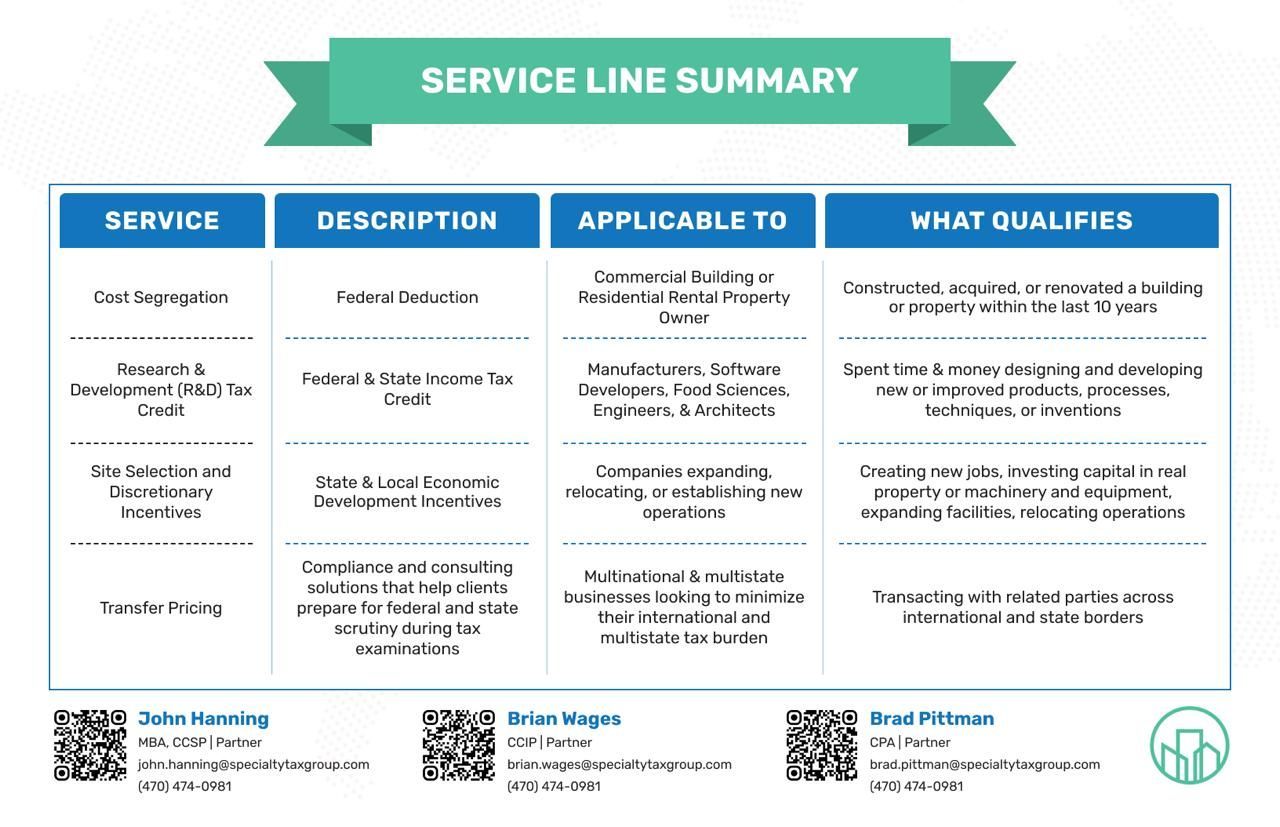
More property owners are running the numbers, watching cash flow tighten, and asking a very reasonable question: Does cost segregation actually apply to my property, or is this one of those strategies that sounds better than it works?
This guide is here to answer that clearly. We’ll walk through who qualifies for cost segregation in 2026, which properties are typically eligible, and how to tell if it’s worth exploring for your situation.
Why Cost Segregation Matters More in 2026
Cost segregation has always been about timing. You don’t get extra deductions. You get the same depreciation sooner.
In 2026, timing matters more. Property prices are higher, operating costs are up, and tax planning is less forgiving when deductions are pushed far into the future. Accelerating depreciation can help smooth cash flow, offset income in high-tax years, and create flexibility when you need it most.
But only if the property qualifies, and only if the numbers make sense.
What Cost Segregation Is (and What It Isn’t)
At its core, cost segregation breaks a building into parts for depreciation purposes.
Instead of depreciating the entire property over:
- 27.5 years for residential rental property, or
- 39 years for commercial property,
A cost segregation study identifies components that qualify for shorter recovery periods, most commonly:
- 5-year property
- 7-year property
- 15-year property
Those components are depreciated faster, which pulls deductions forward into earlier years.
Nothing new is created. You’re simply changing the pace of depreciation you were already entitled to take.
Common Misconceptions About Cost Segregation
A few assumptions still trip people up:
- “It’s only for huge buildings.”
Size matters less than most people think. Smaller properties can still qualify if the economics work. - “It’s a tax loophole.”
Cost segregation is a recognized method supported by long-standing guidance from the Internal Revenue Service. - “It increases audit risk.”
A properly prepared, well-documented study does not automatically raise red flags.
Who Qualifies for Cost Segregation in 2026?
Eligibility usually comes down to three core requirements.
Ownership and Tax Treatment Requirements
You must own the property—or the improvements—for tax purposes.
Cost segregation is available to:
- Individuals
- Partnerships and LLCs
- S corporations
- C corporations
Leased properties can also qualify if you paid for and own the improvements, which is common with tenant buildouts.
If you have a depreciable basis in the property or improvements, you’ve cleared the first hurdle.
Business and Income-Producing Use
The property must be used for business or income-producing purposes.
Common qualifying uses include:
- Rental properties
- Owner-occupied business buildings
- Commercial and industrial facilities
What does not qualify:
- Personal residences
- Land itself, which is not depreciable
If the property produces income or supports a business, this requirement is usually met.
Timing Matters: Purchase, Construction, or Renovation
Most cost segregation studies follow a triggering event, such as:
- Buying a property
- Constructing a new building
- Completing a renovation or remodel
- Adding an expansion or a new section
The study can be done when the property is placed in service, or years later.
What Types of Properties Qualify for Cost Segregation?
Eligibility spans far more property types than many owners expect.
Commercial Properties
Cost segregation commonly applies to:
- Office buildings
- Retail spaces
- Mixed-use properties
- Warehouses and distribution centers
These buildings often contain electrical, plumbing, and interior components that qualify for faster depreciation.
Residential Investment Properties
Residential investors can benefit too, including owners of:
- Multifamily and apartment buildings
- Single-family rental portfolios
Even though residential properties depreciate over 27.5 years, many components inside and around the building qualify for shorter lives.
Specialty and High-Impact Property Types
Some properties tend to produce stronger results due to specialized systems:
- Medical and dental offices
- Hotels and hospitality properties
- Self-storage facilities
- Manufacturing and production buildings
These often include dedicated-use electrical and plumbing systems that increase the potential for reclassification.
Is There a Minimum Property Value for Cost Segregation?
IRS Rules vs. Practical Thresholds
There is no IRS-mandated minimum value for cost segregation.
That said, eligibility and practicality are two different things. A study needs to deliver more in tax savings than it costs to prepare.
When Cost Segregation is Usually Worth It
Cost segregation is often worthwhile when:
- The purchase price or construction cost is meaningful
- The owner has current or near-term taxable income
- Accelerated deductions improve cash flow in real terms
Smaller properties can qualify, but the economics need careful review.
Can Cost Segregation Be Done on Older Properties?
Properties Placed in Service Years Ago
Yes. Cost segregation can be applied retroactively through what’s known as catch-up depreciation.
This allows owners to:
- Reclassify missed depreciation
- Take the adjustment in the current year
- Avoid amending prior tax returns in most cases
When Older Properties Are Strong Candidates
Older properties are often good fits if:
- No prior cost segregation study was done
- Renovations or improvements were completed
- The property has been held longer than originally planned
Age alone does not disqualify a property.
What Actually Gets Reclassified in a Cost Segregation Study?
Shorter-Life Assets Inside the Building
Common reclassified components include:
- Specialty electrical and lighting systems
- Dedicated plumbing
- Certain flooring, finishes, and millwork
- Systems serving specific equipment or processes
These items are not treated as structural components for depreciation purposes.
Land Improvements
Land improvements are depreciated separately and often qualify for 15-year lives, such as:
- Parking lots and driveways
- Sidewalks and curbing
- Fencing and site lighting
- Exterior signage and landscaping elements
Is Cost Segregation Worth It in 2026?
Cost segregation tends to deliver the most value when:
- You expect taxable income to offset
- You plan to hold the property for several years
- Accelerated depreciation helps now, not just eventually
The benefit is often less about total deductions and more about timing.
Situations Where Cost Segregation May Not Make Sense
It may be less effective if:
- You have minimal taxable income for the foreseeable future
- The property basis is very small
- Study costs outweigh near-term tax savings
Not every qualifying property needs a study.
Does Cost Segregation Increase Audit Risk?
Cost segregation is an accepted method when supported by proper analysis and documentation. It is not inherently suspicious.
What Actually Causes Problems During Audits
Issues typically stem from:
- Rule-of-thumb studies without engineering support
- Weak documentation
- Overly aggressive classifications
A defensible study significantly reduces risk.
How Long Does a Cost Segregation Study Take?
Most studies take several weeks and involve:
- Reviewing property and cost records
- Conducting a site inspection (in person or virtual)
- Performing engineering-based analysis
- Preparing a detailed final report
Larger or more complex properties may take longer to complete.
What Property Owners Can Do To Speed Things Up
Having these ready helps:
- Purchase or construction documents
- Renovation invoices
- As-built drawings or plans
Clear records lead to smoother studies.
Quick Cost Segregation Eligibility Checklist for 2026
You likely qualify if:
- The property is used for business or rental purposes
- You own the property or improvements for tax purposes
- The property was purchased, built, renovated, or expanded
- The cost basis is large enough to justify a study
Frequently Asked Questions
What types of properties qualify for cost segregation?
Commercial, rental, and income-producing properties such as offices, apartments, warehouses, hotels, and medical facilities commonly qualify.
Is there a minimum property value required for cost segregation?
No. The IRS sets no minimum, but the tax savings should exceed the cost of the study.
Can cost segregation be performed on older properties?
Yes. Many older properties qualify through catch-up depreciation without amending prior returns.
Does cost segregation increase audit risk?
A properly documented, engineering-based study does not inherently increase audit risk.
2026 Tax Guide