
This blog post has been researched, edited, and approved by John Hanning and Brian Wages. Join our newsletter below.
New Podcast - Listen Now
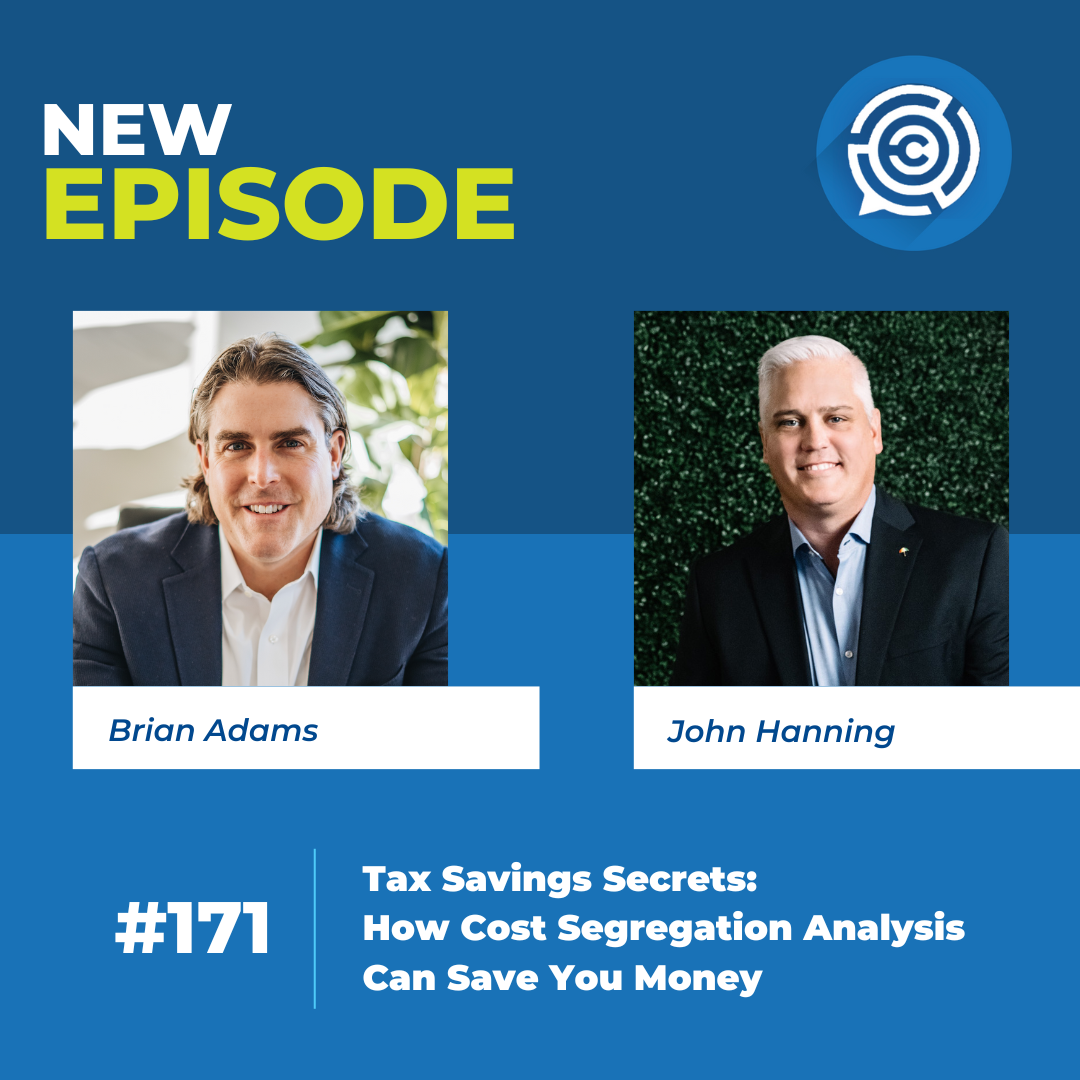
How can cost segregation analysis help real estate investors maximize their returns? In this episode, John Hanning explores the potential benefits of cost recovery studies and depreciation. From bonus depreciation to different recovery periods for real property, personal property, and land improvements, John explains how cost segregation can accelerate tax deductions for real estate owners. He outlines the best time to engage a firm to study an existing or newly constructed property and the typical cost and timeline. Tune in now for expert advice on cost segregation and other money-saving strategies!
John is STG's Fixed Assets / Cost Segregation / Accounting Methods Principal. Over the past 15 years as a Fixed Assets specialist, John has been responsible for the business development efforts for fixed asset services, including new client identification, proposals, and client deliverables. He has led and executed cost recovery studies on more than 5000 facilities, including; healthcare, retail, manufacturing, commercial office, multi-family, power generation, and dealerships.
2024 Tax Guide